
Candela al jarro, hasta que largue el fondo’ by Michel GMG at Centro para os Assuntos da Arte e Arquitectura (CAAA), Guimarães, Portugal
Por: Kirsty Entwistle
Fotos: Michel GMG.
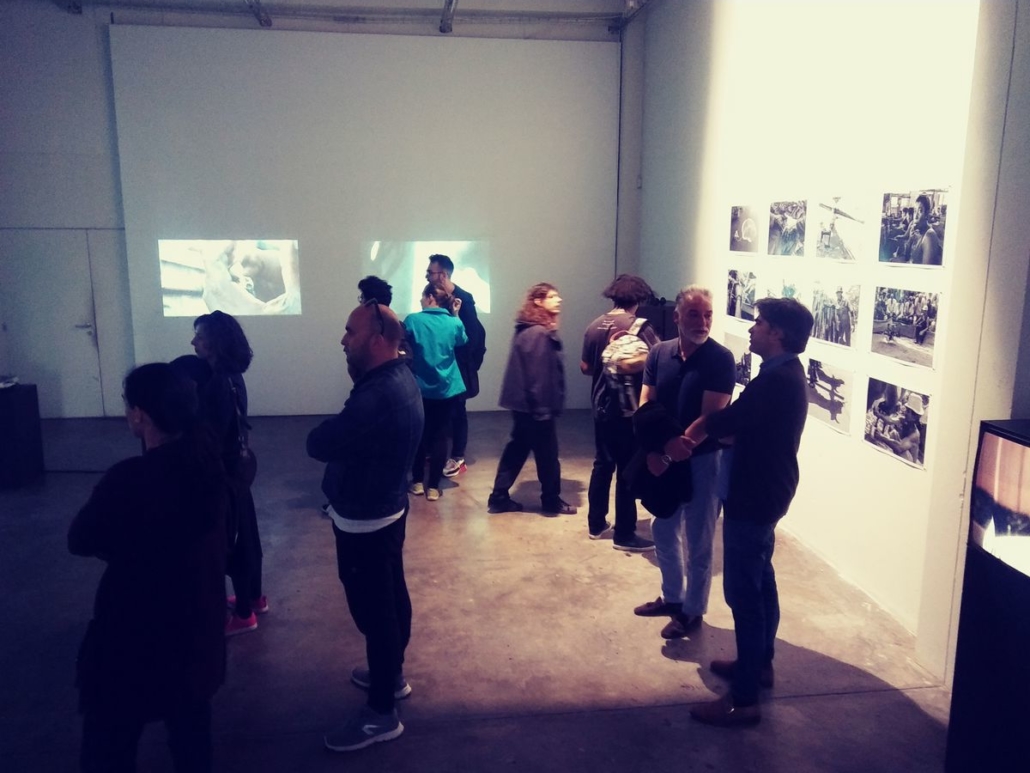
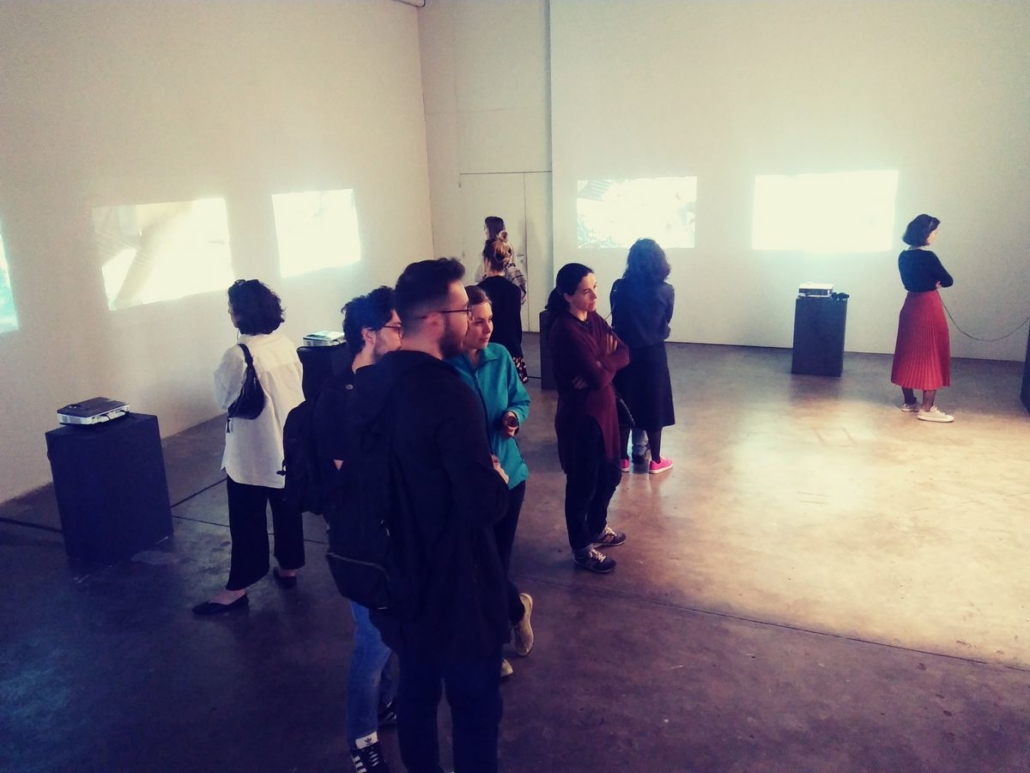
The hands that create a new bicycle wheel out of old parts are beautiful and graceful; the hands that cut and scrub off thick, encrusted, black grime from big metal pans are tough but vulnerable. Whether its candles, cigarette lighters or wristwatches the hands at work are intelligent and efficient in their actions. In fact, the scenes are so compelling that I began to wonder if there is a biological instinct for the eye to be drawn to skilled hands at work.
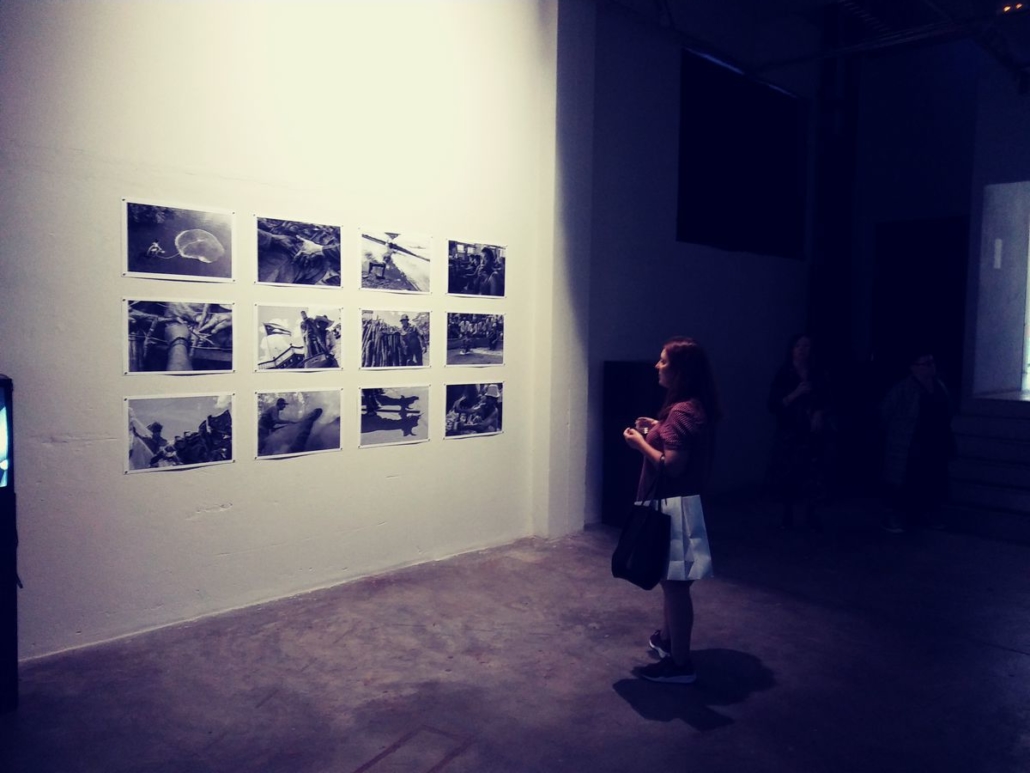
The hands in these films belong to Cuban men, we do not see their faces. We can only speculate as to who these men are in their entirety; taking our clues from their skin colour, the witheredness of their skin, their shoes, the ground they are on. On the basis of the visual information alone we will all jump to different conclusions about who these men are and whether or not they like their work; whether or not they are poor and, if so, to what extent?
Without seeing their faces we can only hope that things are not so bad that they don’t feel the joy and satisfaction of the newly functioning bicycle; the gleaming pans; the cleaned and repaired wristwatch. And as we don’t see the faces of the customers we can only go off our own experiences as to how much they will value the repaired object and respect the skills of the repairer.
For those of us from places where it usually costs more money to fix something than it does to buy another (England in my case) these films are disorienting. The cigarette lighter repair man is doing a brisk trade. Does this mean that in Cuba new cigarette lighters are very expensive to buy or that cigarette lighter repair men’s prices are very cheap? And how is it that so many people have not lost their cigarette lighters before they fizzled out?
The simplicity of the films brings trouble as the mind attempts to create a context. The lengths that the man who makes a dozen, brown candles goes to is extreme. Surely, his motivation cannot be money as there must be easier ways to make the few pennies the candles can only be worth? But it looks even less like it is a hobby in the way that some people, in some places, make candles for a hobby.
Michel GMG says that the films are about survival, about how Cuban people keep going and that the films are to show that whilst some places are only coming to realise the need to recycle Cubans have become expert recyclers out of necessity. I asked him, and maybe it was the wrong question, whether the people he filmed are respected by the community. “Of course!” he replied. Which leaves me wondering what it would take for a person who fixes cigarette lighters to be respected where I’m from.
These films are important because they can make us think of our relationships to these universally important objects through the lens of Cuba; and our relationships to other people via the actions of these Cuban men’s hands: what we’ve kept, what we’ve thrown away, what we’ve wasted.
Las manos que crean una rueda de bicicleta nueva a partir de piezas viejas son hermosas y gráciles; las manos que cortan y restregan la gruesa mugre negra, incrustada, de grandes cazuelas de metal son duras pero vulnerables. Ya sean velas, encendedores o relojes de pulsera, las manos en acción son inteligentes y eficientes en sus movimientos. De hecho, las escenas son tan sugerentes que empecé a preguntarme si existe un instinto biológico que hace que el ojo se sienta atraído por unas manos hábiles trabajando.
Las manos en estas películas pertenecen a hombres cubanos; no vemos sus rostros. Solo podemos especular sobre quiénes son en su totalidad, tomando pistas del color de su piel, del desgaste de sus manos, de sus zapatos, del suelo donde están. A partir de la información visual únicamente, cada uno de nosotros saltará a conclusiones distintas sobre quiénes son estos hombres y si les gusta o no su trabajo; si son pobres y, de serlo, en qué medida.
Sin ver sus rostros solo podemos esperar que las cosas no sean tan duras como para impedirles sentir la alegría y la satisfacción de la bicicleta que vuelve a funcionar; de las cazuelas relucientes; del reloj limpiado y reparado. Y como tampoco vemos las caras de los clientes, solo podemos guiarnos por nuestras propias experiencias para imaginar cuánto valorarán el objeto reparado y cuánto respetarán las habilidades del reparador.
Para quienes venimos de lugares donde normalmente cuesta más arreglar algo que comprarlo de nuevo (Inglaterra, en mi caso), estas películas resultan desconcertantes. El reparador de encendedores tiene un flujo constante de clientes. ¿Significa esto que en Cuba los encendedores nuevos son muy caros o que los precios de los reparadores son muy baratos? ¿Y cómo es posible que tanta gente no haya perdido su encendedor antes de que dejara de funcionar?
La simplicidad de las películas trae consigo dificultades, porque la mente intenta construir un contexto. Los esfuerzos a los que se somete el hombre que fabrica una docena de velas marrones son extremos. Seguramente su motivación no puede ser el dinero, pues debe de haber maneras más fáciles de ganar los pocos centavos que esas velas pueden valer. Pero tampoco parece un pasatiempo, como en algunos lugares donde la gente hace velas por afición.
Michel GMG dice que las películas tratan sobre la supervivencia, sobre cómo los cubanos siguen adelante, y que buscan mostrar que, mientras algunos lugares apenas empiezan a comprender la necesidad de reciclar, los cubanos se han vuelto expertos recicladores por necesidad. Le pregunté —y quizá fue la pregunta equivocada— si las personas que filmó son respetadas por la comunidad. “¡Por supuesto!”, respondió. Lo cual me deja preguntándome qué tendría que pasar para que, en el lugar de donde vengo, una persona que arregla encendedores sea respetada.
Estas películas son importantes porque nos hacen pensar en nuestra relación con estos objetos universalmente significativos a través del lente de Cuba; y en nuestras relaciones con otras personas a través de las acciones de las manos de estos hombres cubanos: lo que hemos conservado, lo que hemos tirado, lo que hemos desperdiciado.
Candela al jarro, hasta que largue el fondo’ by Michel GMG
at Centro para os Assuntos da Arte e Arquitectura (CAAA), Guimarães, Portugal



Dejar un comentario
¿Quieres unirte a la conversación?Siéntete libre de contribuir!